
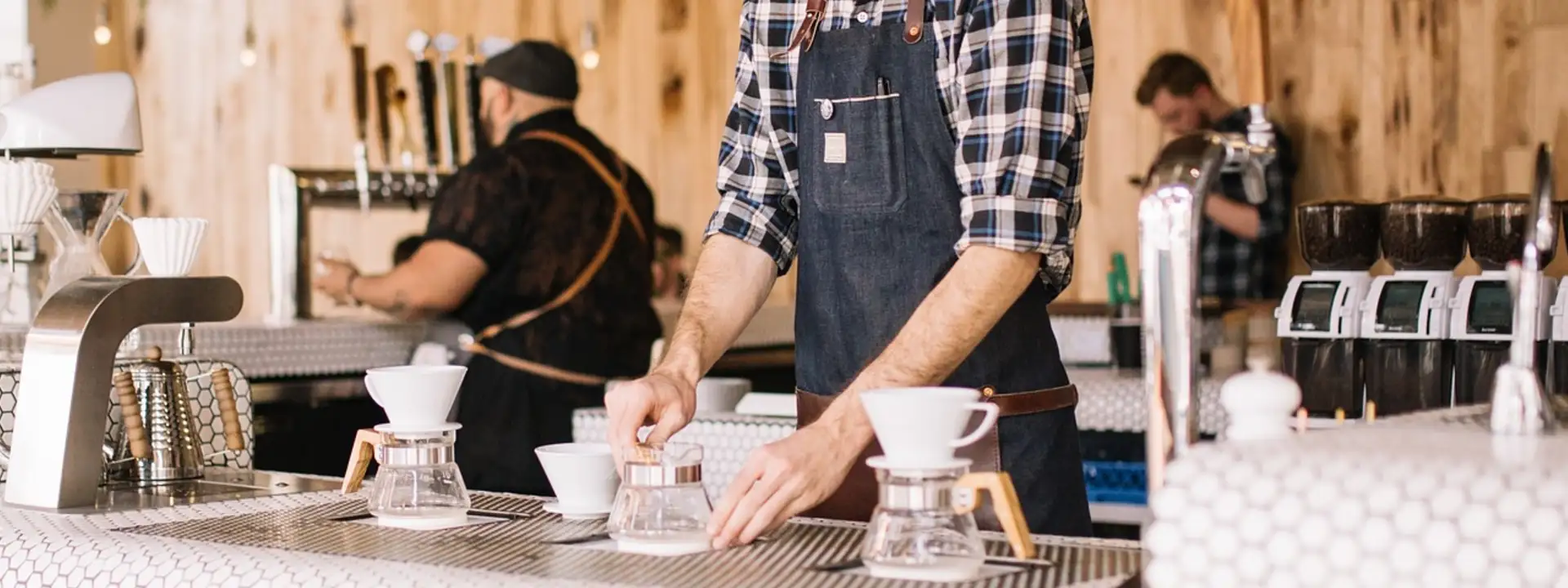
Where does the energy go in a restaurant?
A restaurant uses energy very differently from an office or shop. The biggest items are almost always:
- The kitchen. Ranges, ovens, combi steamers, griddles and salamanders. If you cook on gas, gas is a major cost. If you cook on induction, that shifts to electricity.
- Refrigeration and freezer rooms. They run day and night, even when you are closed.
- Extraction and ventilation. A motorised extractor hood uses more than many owners expect.
- Dishwashers and hot water. Rinsing and dishwashing take a lot of hot water.
- Heating and the terrace. Heating the dining room and, in spring and autumn, terrace heaters.
Because restaurants are mainly open at lunch and dinner, most of your usage falls in the normal (peak) hours. That matters when comparing peak and off-peak rates.
What to look for in an energy contract
- Fixed or variable. A fixed rate gives certainty, which helps when setting your menu prices and budget. A variable rate can turn out cheaper, but moves with the market.
- Term and end date. Start comparing in good time, ideally two to three months before your contract ends. That way you avoid rolling over onto a more expensive rate.
- Fixed supply charges. On top of the price per kWh or m³ you pay a fixed amount per month. With lower usage, that makes a real difference.
- Switching to induction. Renovating the kitchen or moving from gas to induction? Your usage will change a lot. Take that into account in your new contract.
Tip: have your latest annual statement (jaarafrekening) ready for the call. It shows your usage, your current rates and often the end date of your contract.
How we help restaurants
Fill in the form and we call you back. In a short call we go through your usage and current contract. We then compare offers from our suppliers and email you a quote you can read at your own pace. If you agree, we arrange the switch. Your electricity and gas keep running, so you will not notice a thing in the kitchen.
Frequently asked questions
What does energy cost for a restaurant?
That varies a lot. It depends on the number of covers, whether you cook on gas or induction, your opening hours and the size of your refrigeration. That is why we look at your own usage rather than an average.
Can I switch while my contract is still running?
You can, but with a fixed contract you often pay an early termination fee. It is usually smarter to let the new contract start on the end date of your current one. We check that for you.
I am switching to induction. Does my contract need to change?
Often, yes. Your gas usage drops and your electricity usage rises. Sometimes a heavier grid connection is needed too. Mention it in the call and we will take it into account.